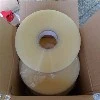
As a supplier of Frozen BOPP Packing Tape, I've often been asked about its resistance to aging. This is a crucial question for businesses that rely on this type of tape for their packaging needs. In this blog post, I'll delve into the science behind the aging resistance of Frozen BOPP Packing Tape, explore the factors that can affect it, and share some insights based on our experience in the industry.
Understanding Frozen BOPP Packing Tape
Before we discuss its aging resistance, let's briefly understand what Frozen BOPP Packing Tape is. BOPP stands for Biaxially Oriented Polypropylene, which is a type of plastic film that is widely used in the packaging industry due to its excellent strength, clarity, and flexibility. Frozen BOPP Packing Tape is a specialized version of this tape that is designed to perform well in cold environments. It typically has a strong adhesive that can maintain its bond even at low temperatures.
The Science of Aging Resistance
Aging in packing tapes is primarily caused by a combination of factors, including exposure to light, heat, oxygen, and moisture. These elements can break down the chemical structure of the tape, leading to a loss of adhesion, reduced strength, and changes in appearance. For example, prolonged exposure to sunlight can cause the tape to become brittle and lose its stickiness, while high humidity can cause the adhesive to soften and lose its grip.
Frozen BOPP Packing Tape is engineered to resist these aging factors to a certain extent. The BOPP film used in the tape has a high degree of molecular orientation, which gives it excellent mechanical properties and resistance to environmental stress. Additionally, the adhesive used in the tape is formulated to be stable under a wide range of conditions, including low temperatures.


Factors Affecting Aging Resistance
While Frozen BOPP Packing Tape is designed to be resistant to aging, several factors can still affect its performance over time. Here are some of the key factors to consider:
1. Storage Conditions
The way you store the tape can have a significant impact on its aging resistance. Ideally, the tape should be stored in a cool, dry place away from direct sunlight and heat sources. Exposure to high temperatures and humidity can accelerate the aging process, so it's important to keep the tape in a controlled environment.
2. Exposure to Chemicals
Some chemicals can react with the tape and cause it to degrade. For example, solvents, acids, and alkalis can dissolve the adhesive or damage the BOPP film. If the tape is likely to come into contact with chemicals, it's important to choose a tape that is resistant to these substances.
3. Application Conditions
The conditions under which the tape is applied can also affect its aging resistance. For example, if the surface is dirty or oily, the adhesive may not bond properly, which can lead to premature failure. It's important to ensure that the surface is clean and dry before applying the tape.
4. Quality of the Tape
Not all Frozen BOPP Packing Tapes are created equal. The quality of the tape can vary depending on the manufacturer and the raw materials used. It's important to choose a tape from a reputable supplier that uses high-quality materials and has a strict quality control process.
Our Experience with Aging Resistance
At our company, we have conducted extensive testing on our Frozen BOPP Packing Tape to evaluate its aging resistance. We have exposed the tape to various environmental conditions, including high temperatures, humidity, and sunlight, and monitored its performance over time.
Based on our testing, we have found that our tape performs well under normal storage and use conditions. The tape maintains its adhesion and strength even after prolonged exposure to heat, humidity, and sunlight. However, we also recommend following the storage and application guidelines to ensure the best performance.
Comparing with Other Types of Tapes
To give you a better understanding of the aging resistance of Frozen BOPP Packing Tape, let's compare it with some other types of tapes commonly used in the packaging industry.
Yellowish/yellow Clear BOPP Packing Tape
Yellowish/yellow Clear BOPP Packing Tape is another popular type of BOPP packing tape. It has similar properties to Frozen BOPP Packing Tape but may not be as resistant to low temperatures. In terms of aging resistance, both tapes perform well under normal conditions, but the Frozen BOPP Packing Tape may have an advantage in cold environments.
Solvent-based Acrylic Packaging Tape
Solvent-based Acrylic Packaging Tape is known for its strong adhesion and durability. However, it may be more susceptible to aging due to the presence of solvents, which can evaporate over time and cause the adhesive to dry out. Frozen BOPP Packing Tape, on the other hand, uses a water-based adhesive that is more stable and less prone to aging.
Printed BOPP Packing Tape China Factory Direct Supply
Printed BOPP Packing Tape China Factory Direct Supply is a cost-effective option for businesses that need to add branding or information to their packaging. The printing process can affect the aging resistance of the tape, as the ink may not be as durable as the tape itself. Frozen BOPP Packing Tape can be printed using a special process that ensures the ink adheres well and does not affect the tape's performance.
Conclusion
In conclusion, Frozen BOPP Packing Tape is generally resistant to aging, thanks to its high-quality BOPP film and stable adhesive. However, its performance can be affected by various factors, such as storage conditions, exposure to chemicals, application conditions, and the quality of the tape. By following the recommended storage and application guidelines, you can ensure that the tape maintains its performance over time.
If you're looking for a reliable and aging-resistant packing tape for your business, we invite you to contact us for more information. Our team of experts can help you choose the right tape for your specific needs and provide you with competitive pricing and excellent customer service. We look forward to working with you to meet your packaging requirements.
References
- ASTM International. (2023). Standard Test Methods for Pressure-Sensitive Tapes.
- Packaging Machinery Manufacturers Institute. (2023). Packaging Machinery and Materials Handbook.
- Tape Council of America. (2023). Tape Basics: A Guide to Pressure-Sensitive Tapes.