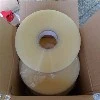
Hey there! As a BOPP film supplier, I've been getting a lot of questions lately about how to improve the adhesion of BOPP film to substrates. It's a crucial issue, especially when you're looking for high - quality packaging or other applications. So, I thought I'd share some tips and tricks that I've learned over the years.
Understanding BOPP Film
First off, let's quickly go over what BOPP film is. BOPP stands for Biaxially Oriented Polypropylene. It's a popular choice in the packaging industry because it's clear, strong, and has good moisture - barrier properties. We offer two main types of BOPP film jumbo rolls: Super / Crystal Clear BOPP Film Jumbo Roll and Normal BOPP Film Jumbo Roll. The super - clear one is great for products where you want to show off the contents, while the normal one is more of a workhorse for general packaging needs.
Surface Preparation of the Substrate
One of the most important factors in improving adhesion is the surface preparation of the substrate. If the substrate has a dirty or oily surface, the BOPP film won't stick well. So, make sure to clean the substrate thoroughly before applying the film.


- Solvent Cleaning: You can use a suitable solvent to clean the substrate. For example, if the substrate is made of metal, a mild degreaser can remove any oil or grease. Just be careful to choose a solvent that won't damage the substrate. After cleaning, let the substrate dry completely.
- Abrasion: In some cases, lightly abrading the substrate surface can also improve adhesion. This creates a rougher surface for the BOPP film to grip onto. You can use sandpaper or a similar abrasive material, but make sure not to over - abrade, as that can cause other problems.
Surface Treatment of the BOPP Film
The surface of the BOPP film itself can also be treated to enhance adhesion.
- Corona Treatment: This is a very common method. Corona treatment uses a high - voltage electrical discharge to modify the surface of the BOPP film. It increases the surface energy of the film, making it more receptive to inks, adhesives, and coatings. Most of the BOPP films we supply can be corona - treated at our facility before shipping.
- Primer Application: Applying a primer to the BOPP film can also improve adhesion. A primer acts as a bonding layer between the film and the substrate. There are different types of primers available, depending on the substrate material and the application requirements.
Choosing the Right Adhesive
Selecting the appropriate adhesive is crucial for good adhesion.
- Contact Adhesives: These adhesives are applied to both the BOPP film and the substrate. Once the adhesives are dry, the two surfaces are pressed together. Contact adhesives are great for applications where you need an instant bond.
- Hot - Melt Adhesives: Hot - melt adhesives are melted and then applied to the substrate or the film. They cool quickly and form a strong bond. They're often used in high - speed packaging applications.
- Pressure - Sensitive Adhesives: These adhesives stick to the substrate when pressure is applied. They're commonly used in labels and tapes. When choosing a pressure - sensitive adhesive, make sure it's compatible with the BOPP film and the substrate.
Application Conditions
The conditions under which you apply the BOPP film can also affect adhesion.
- Temperature: The temperature during application is important. If it's too cold, the adhesive may not work properly, and the film may not adhere well. On the other hand, if it's too hot, the film or the adhesive may deform. Generally, it's best to apply the film at room temperature or within the recommended temperature range specified by the adhesive manufacturer.
- Pressure: Applying the right amount of pressure is also key. You need to press the BOPP film firmly against the substrate to ensure good contact. This can be done using rollers or other pressure - applying tools.
Storage and Handling
Proper storage and handling of the BOPP film and the substrate can also have an impact on adhesion.
- BOPP Film Storage: Store the BOPP film in a cool, dry place. Exposure to high humidity or extreme temperatures can affect the film's properties and reduce adhesion. Also, make sure to keep the film away from direct sunlight, as UV rays can degrade the film over time.
- Substrate Storage: Similar to the BOPP film, store the substrate in a suitable environment. If the substrate absorbs moisture, it can affect the adhesion of the BOPP film.
Testing and Quality Control
It's always a good idea to perform some tests to ensure that the adhesion is up to par.
- Peel Test: A simple peel test can give you an idea of how well the BOPP film is adhered to the substrate. You can use a peel tester or just try to peel the film off by hand (although this is a more subjective method). If the film peels off easily, there may be an issue with adhesion.
- Visual Inspection: Look for any signs of delamination or poor adhesion, such as bubbles or gaps between the film and the substrate. If you notice any problems, you can adjust the process parameters or try a different adhesive or treatment method.
Conclusion
Improving the adhesion of BOPP film to substrates is a multi - step process that involves surface preparation, choosing the right adhesive, and controlling the application conditions. By following these tips, you can ensure a strong and reliable bond between the BOPP film and the substrate.
If you're interested in our BOPP film products or have any questions about improving adhesion, feel free to reach out. We're here to help you find the best solutions for your packaging and other application needs. Let's work together to achieve great results!
References
- "Handbook of Adhesives and Sealants" by Alan S. Abdel - Rahman
- "Polypropylene: Structure, Blends and Composites" by A. J. Lesser and A. M. Jamieson