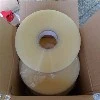
Hey there! As a supplier of BOPP film, I've seen firsthand how easily this stuff can get damaged if it's not handled right. BOPP, or Biaxially Oriented Polypropylene film, is super versatile and used in tons of industries, from packaging to labeling. But it's also a bit delicate, so in this blog, I'm gonna share some tips on how to handle BOPP film to avoid damage.
Storage Matters
First off, let's talk about storage. You can't just throw BOPP film anywhere and expect it to stay in good shape. The environment where you store it plays a huge role.
Temperature and Humidity: BOPP film is sensitive to temperature and humidity changes. Ideally, you should store it in a place where the temperature is between 20°C and 25°C (68°F - 77°F) and the relative humidity is around 50% - 60%. Extreme temperatures can cause the film to expand or contract, leading to wrinkles or even tears. High humidity can make the film sticky, which is a big no - no. So, invest in a climate - controlled storage area if you can. It'll save you a lot of headaches in the long run.
Stacking: When you're stacking BOPP film rolls, be careful. Don't stack them too high because the weight on the bottom rolls can cause deformation. If you're using pallets, make sure they're in good condition and evenly distributed. Also, keep the rolls away from sharp edges or rough surfaces that could scratch the film.
Handling During Transportation
Moving BOPP film from one place to another is another critical step. Whether it's from your storage to the production line or shipping it to a customer, here's what you need to do.
Use the Right Equipment: Don't try to man - handle the rolls. Use proper lifting equipment like forklifts or pallet jacks. Make sure the forks or jacks are clean and smooth to avoid any damage to the film. If you're using straps to secure the rolls during transportation, choose ones that are soft and won't cut into the film.
Avoid Vibration and Shock: BOPP film doesn't like a lot of shaking. During transportation, try to minimize vibration and shock. If you're shipping by truck, make sure the vehicle is well - maintained and the roads you're taking are as smooth as possible. You can also use shock - absorbing materials around the rolls to protect them.
Unwinding and Processing
Once the BOPP film is at the production line, unwinding and processing it also require special attention.
Tension Control: When unwinding the film, it's crucial to control the tension. If the tension is too high, it can stretch the film and cause it to break. If it's too low, the film can wrinkle. Most modern unwinding equipment has tension control systems, but you still need to monitor it regularly. Adjust the tension according to the type of BOPP film you're using. For example, Super / Crystal Clear BOPP Film Jumbo Roll might require a different tension setting compared to Normal BOPP Film Jumbo Roll.
Cleanliness: Keep the processing area clean. Dust, dirt, or debris can get stuck on the film and cause defects. Make sure the rollers and other equipment in contact with the film are clean. You can use air blowers or cleaning agents to keep the area free of contaminants.
Quality Checks
Throughout the handling process, it's important to do regular quality checks.
Visual Inspection: Before using the film, take a close look at it. Check for any signs of damage like scratches, tears, or wrinkles. If you find any issues, don't use the damaged parts. It's better to catch these problems early rather than having them cause issues during the production process.
Testing: You can also do some simple tests on the film, like checking its thickness and tensile strength. There are handheld devices available that can quickly give you an idea of the film's quality. If the results are outside the acceptable range, you might need to investigate further to find out what went wrong during handling.
Training Your Staff
Last but not least, make sure your staff knows how to handle BOPP film properly.
Training Programs: Set up training programs for your employees. Teach them about the importance of proper handling, storage, and processing. Show them the right techniques for using equipment and how to identify potential problems. Regularly update the training to keep everyone informed about the latest best practices.


Safety First: Remind your staff that safety is key. Handling BOPP film involves using heavy equipment, so make sure they follow all safety protocols. Provide them with the necessary safety gear like gloves and safety glasses.
In conclusion, handling BOPP film to avoid damage requires attention to detail at every step, from storage to processing. By following these tips, you can ensure that your BOPP film stays in top - notch condition and meets the high standards of your customers.
If you're interested in purchasing high - quality BOPP film, we're here to help. We offer a wide range of BOPP film products, including Super / Crystal Clear BOPP Film Jumbo Roll and Normal BOPP Film Jumbo Roll. Feel free to reach out to us for more information and to start a procurement discussion. We're looking forward to working with you!
References
- Packaging Machinery and Technology Handbook
- BOPP Film Industry Reports
- Research Papers on Plastic Film Handling and Processing