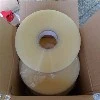
When it comes to packaging and shipping, No Noise BOPP Packing Tape is a game - changer. As a reliable supplier of this remarkable tape, I'm here to share some in - depth knowledge on how to apply it correctly. This guide will not only help you get the most out of our product but also ensure that your packaging process is efficient and effective.


Understanding No Noise BOPP Packing Tape
Before we dive into the application process, it's essential to understand what No Noise BOPP Packing Tape is. BOPP stands for Biaxially Oriented Polypropylene, which is a strong and flexible plastic film. Our No Noise version is specially engineered to reduce the loud, annoying noise typically associated with tearing traditional packing tapes. This feature is particularly beneficial in office environments, warehouses, and any place where noise can be a distraction.
There are different types of No Noise BOPP Packing Tape available, each with its own unique characteristics. For instance, the 30mic - 35mic The Thinnest BOPP Packing Tape is ideal for light - duty packaging. It offers a good balance between strength and economy, making it suitable for small parcels and lightweight items. On the other hand, if you're dealing with fragile items, the DEFOO Customized Fragile Printed BOPP Packing Tape is a great choice. The printed message on the tape clearly indicates that the package contains fragile contents, which helps in handling and transportation. And for a more aesthetically pleasing look, the Super Clear BOPP Packing Tape provides excellent visibility of the package contents while still offering strong adhesion.
Preparing for Tape Application
- Clean the Surface: The first step in applying No Noise BOPP Packing Tape correctly is to ensure that the surface of the package is clean and dry. Any dust, dirt, or moisture can reduce the tape's adhesion. Use a clean cloth to wipe the surface of the box or container before applying the tape. This simple step can significantly improve the tape's performance and ensure a long - lasting seal.
- Choose the Right Tape Width: The width of the tape you choose depends on the size and type of the package. For small boxes, a narrower tape, such as 1 - 2 inches wide, may be sufficient. Larger boxes, especially those with heavy contents, may require a wider tape, such as 3 - 4 inches wide. Using the appropriate tape width helps distribute the stress evenly across the package and provides a more secure seal.
- Select the Appropriate Tape Dispenser: A good tape dispenser can make the application process much easier and more efficient. There are various types of tape dispensers available, including handheld dispensers and table - mounted dispensers. Handheld dispensers are convenient for small - scale packaging operations, while table - mounted dispensers are better suited for high - volume packing. Make sure the dispenser is compatible with the width of the tape you're using.
The Application Process
- Start at the Edge: Begin by placing the end of the tape at one edge of the package. Press the tape firmly against the surface to ensure good contact. You can use your fingers or a flat object, such as a credit card, to smooth out the tape and remove any air bubbles.
- Apply the Tape Smoothly: As you unroll the tape, keep it as straight as possible. Apply even pressure along the length of the tape to ensure consistent adhesion. If you encounter any wrinkles or bubbles, stop immediately and smooth them out before continuing. For long seams, it may be helpful to have an assistant hold the other end of the box to keep it steady.
- Overlap the Tape: When sealing the corners or edges of the package, make sure to overlap the tape. An overlap of at least 1 - 2 inches is recommended. This helps reinforce the seal and prevents the tape from peeling off. For boxes with flaps, apply the tape across the flaps to secure them together.
- Cut the Tape Cleanly: Once you've reached the end of the seam, use the tape dispenser to cut the tape cleanly. A sharp blade on the dispenser ensures a clean cut, which is important for a professional - looking finish. Avoid tearing the tape by hand, as this can result in an uneven edge and may reduce the tape's adhesion.
Special Considerations
- Cold Weather Application: In cold weather, the adhesive on the tape may become less flexible, which can affect its adhesion. To overcome this, allow the tape to warm up to room temperature before use. You can also apply the tape in a warmer environment and then move the packaged item to the cold storage area.
- Curved Surfaces: When applying No Noise BOPP Packing Tape to curved surfaces, such as cylinders or tubes, it's important to stretch the tape slightly as you apply it. This helps the tape conform to the shape of the surface and ensures a better seal. Use a small amount of pressure to hold the tape in place while you smooth it out.
- Long - Term Storage: If you're storing packaged items for an extended period, make sure the tape is applied correctly. Check the seals periodically to ensure they are still intact. In some cases, you may need to re - apply the tape if it starts to peel or lose its adhesion.
Quality Control
After applying the tape, it's important to perform a quality check. Inspect the seams to ensure that the tape is evenly applied and there are no gaps or bubbles. Press on the tape firmly to make sure it adheres well to the surface. If you find any issues, such as loose tape or poor adhesion, re - apply the tape immediately.
Conclusion
Applying No Noise BOPP Packing Tape correctly is crucial for ensuring the safety and integrity of your packages. By following the steps outlined in this guide, you can make the most of our high - quality tape and achieve a professional - looking finish. Whether you're a small business owner or a large - scale shipper, our No Noise BOPP Packing Tape offers a reliable and efficient solution for your packaging needs.
If you're interested in learning more about our No Noise BOPP Packing Tape or have any questions regarding its application, please don't hesitate to contact us. We're here to assist you with your procurement and provide you with the best packaging solutions. We look forward to the opportunity to discuss your specific requirements and help you find the perfect tape for your needs.
References
- Packaging Industry Handbook, 2023 Edition
- BOPP Tape Manufacturer's Guide on Application Techniques
- Studies on Adhesive Performance in Different Environmental Conditions