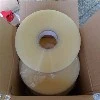
As a supplier of Printed BOPP Packing Tape, I understand the importance of proper storage to maintain its quality. BOPP (Biaxially Oriented Polypropylene) packing tape is a popular choice for various packaging applications due to its strength, durability, and versatility. However, improper storage can lead to issues such as reduced adhesion, tape degradation, and print quality deterioration. In this blog post, I will share some essential tips on how to store printed BOPP packing tape to ensure its optimal performance.
1. Temperature and Humidity Control
One of the most critical factors in storing printed BOPP packing tape is controlling the temperature and humidity levels. Extreme temperatures and high humidity can have a significant impact on the tape's adhesive properties and overall quality.


- Temperature: The ideal temperature range for storing BOPP packing tape is between 15°C and 25°C (59°F and 77°F). Temperatures below this range can cause the tape to become brittle, making it more prone to cracking and breaking during use. On the other hand, high temperatures can soften the adhesive, leading to sticking and uneven application. Avoid storing the tape in areas that are exposed to direct sunlight or near heat sources such as radiators or heaters.
- Humidity: High humidity can also affect the tape's adhesive and print quality. Excessive moisture can cause the tape to absorb water, which can weaken the adhesive bond and cause the print to smudge or fade. Aim to maintain a relative humidity level between 40% and 60%. If the storage area is prone to high humidity, consider using a dehumidifier to control the moisture levels.
2. Proper Packaging
Proper packaging is essential to protect the printed BOPP packing tape from damage during storage. When the tape is not in use, it should be kept in its original packaging or a sealed container to prevent dust, dirt, and moisture from getting in.
- Original Packaging: The original packaging of the tape is designed to provide some level of protection. Keep the tape in its box or wrapper until you are ready to use it. This will help to maintain the tape's integrity and prevent it from getting damaged.
- Sealed Containers: If the original packaging is damaged or you need to store the tape for an extended period, consider using a sealed container. Plastic storage bins or airtight bags can be a good option. Make sure the container is clean and dry before placing the tape inside.
3. Avoiding Physical Damage
Physical damage can also affect the quality of the printed BOPP packing tape. When storing the tape, it is important to handle it with care and avoid any actions that could cause it to be scratched, torn, or bent.
- Stacking: When stacking the tape, make sure to do it carefully to avoid putting too much pressure on the rolls. Stack the rolls in a stable manner, and avoid stacking them too high. If the rolls are stacked too high, they may become unstable and fall, causing damage to the tape.
- Handling: When handling the tape, use clean hands or gloves to prevent dirt and oils from getting on the tape. Avoid pulling the tape too hard or bending it sharply, as this can cause the tape to break or lose its adhesion.
4. Protection from UV Light
UV light can cause the printed BOPP packing tape to fade and degrade over time. To protect the tape from UV light, store it in a dark place or use a UV-resistant cover.
- Dark Storage Areas: Choose a storage area that is away from direct sunlight. A closet, basement, or storage room can be a good option. If the storage area has windows, make sure to cover them with curtains or blinds to block out the sunlight.
- UV-Resistant Covers: If you need to store the tape in an area that is exposed to some sunlight, consider using a UV-resistant cover. There are various types of covers available on the market, such as plastic sheets or covers specifically designed for tape storage. These covers can help to block out the UV light and protect the tape from fading.
5. Regular Inspection
Regular inspection of the printed BOPP packing tape is important to ensure its quality. Check the tape periodically for any signs of damage, such as cracks, tears, or changes in the adhesive or print quality.
- Visual Inspection: Perform a visual inspection of the tape at least once a month. Look for any signs of damage, such as cracks, tears, or discoloration. Check the adhesive to make sure it is still sticky and not drying out. Also, check the print quality to make sure it is still clear and legible.
- Testing: If you notice any signs of damage or changes in the tape's quality, perform a test to see if it still meets your requirements. You can test the tape's adhesion by applying it to a surface and then trying to peel it off. If the tape does not adhere properly or leaves a residue, it may be time to replace it.
Conclusion
Proper storage of printed BOPP packing tape is essential to maintain its quality and ensure its optimal performance. By controlling the temperature and humidity levels, using proper packaging, avoiding physical damage, protecting the tape from UV light, and performing regular inspections, you can extend the lifespan of the tape and ensure that it remains in good condition for as long as possible.
If you are interested in purchasing high-quality printed BOPP packing tape, we offer a wide range of options, including Low Noise BOPP Packing Tape, BOPP Silent Packing Tape, Brown, Beige, Transparent, no Noise Sealing Tape, Manufacturer Wholesale, Silent Tape, and DEFOO Customized Fragile Printed BOPP Packing Tape. Contact us today to discuss your specific requirements and explore our product offerings.
References
- Packaging Machinery Manufacturers Institute. (n.d.). Best Practices for Tape Storage. Retrieved from [Packaging Machinery Manufacturers Institute Website]
- Tape Manufacturers Association International. (n.d.). Tape Storage Guidelines. Retrieved from [Tape Manufacturers Association International Website]