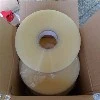
As a supplier of PET tape, I've witnessed firsthand the diverse applications and unique characteristics of this remarkable product. In this blog post, I'll delve into how PET tape compares to other types of tape, exploring its advantages, limitations, and ideal use cases.
Understanding PET Tape
PET, or polyethylene terephthalate, is a strong, lightweight, and durable plastic material. When used in tape manufacturing, it offers several key benefits. PET tape typically has a high tensile strength, meaning it can withstand significant pulling forces without breaking. This makes it ideal for applications where a secure hold is required, such as packaging heavy items or bundling materials together.
One of the standout features of PET tape is its excellent dimensional stability. It resists stretching and shrinking, even under varying temperature and humidity conditions. This property ensures that the tape maintains its shape and adhesion over time, providing reliable performance in a wide range of environments.
Another advantage of PET tape is its clarity. Many PET tapes are transparent, allowing for easy identification of the items being taped. This is particularly useful in industries such as electronics, where components need to be clearly visible for inspection and testing.
Comparing PET Tape to Other Types of Tape
1. PVC Tape
PVC (polyvinyl chloride) tape is another popular choice for various applications. It is known for its flexibility and resistance to moisture, chemicals, and abrasion. However, compared to PET tape, PVC tape generally has a lower tensile strength. This means that it may not be as suitable for heavy-duty applications where a strong hold is required.
PVC tape also tends to be more prone to yellowing and degradation over time, especially when exposed to sunlight or high temperatures. In contrast, PET tape maintains its clarity and strength, making it a better option for long-term use in outdoor or high-temperature environments.
2. Masking Tape
Masking tape is commonly used for painting and other temporary applications. It is designed to be easily removable without leaving residue on the surface. While masking tape is great for protecting surfaces during painting, it has limited adhesive strength and durability compared to PET tape.
PET tape, on the other hand, offers a more permanent and secure hold. It is not intended for easy removal and is better suited for applications where a long-lasting bond is required, such as packaging or sealing.
3. Duct Tape
Duct tape is a versatile and widely used tape known for its strong adhesive and durability. It is often used for repairs, sealing, and general-purpose applications. However, duct tape can be relatively thick and may not provide a clean and professional appearance.
PET tape, with its thin and flexible design, offers a more aesthetically pleasing solution. It can be used in applications where a neat and discreet finish is desired, such as in the electronics or automotive industries.
Ideal Use Cases for PET Tape
1. Packaging
PET tape is an excellent choice for packaging applications. Its high tensile strength and dimensional stability ensure that packages are securely sealed and protected during transit. Whether you're shipping heavy items or delicate products, PET tape provides a reliable and long-lasting hold. You can find our PET Adhesive Packing Tape for all your packaging needs.
2. Electronics
In the electronics industry, PET tape is widely used for insulation, bundling, and masking. Its clarity allows for easy inspection of components, and its high dielectric strength makes it suitable for electrical applications. Our PET Adhesive Tape Dust Removal Tape Waste Tape is specifically designed for electronics manufacturing, providing excellent dust removal and waste management capabilities.
3. Automotive
PET tape is also commonly used in the automotive industry for applications such as wire harnessing, interior trim installation, and surface protection. Its resistance to heat, chemicals, and abrasion makes it a reliable choice for automotive components.
Limitations of PET Tape
While PET tape offers many advantages, it also has some limitations. One of the main drawbacks is its relatively high cost compared to other types of tape. This can make it less suitable for applications where cost is a major factor.


Another limitation is that PET tape may not adhere well to certain surfaces, such as low-energy plastics or rough textures. In these cases, a different type of tape or a surface treatment may be required to ensure a proper bond.
Conclusion
In conclusion, PET tape offers a unique combination of strength, durability, clarity, and dimensional stability. While it may not be the best choice for every application, it excels in situations where a secure and long-lasting hold is required. Whether you're in the packaging, electronics, automotive, or any other industry, PET tape can provide a reliable solution for your taping needs.
If you're interested in learning more about our PET tape products or discussing your specific requirements, please feel free to contact us for a consultation. We're here to help you find the right tape for your application and provide you with the best possible service.
References
- "Tape Selection Guide," Tape Manufacturers Association International.
- "Properties and Applications of PET Tape," Journal of Adhesive Science and Technology.