When it comes to adhesive solutions, there's always a question that frequently pops up in various industrial and DIY settings: Does hot melt adhesive tape work on rough surfaces? As a seasoned supplier of hot melt adhesive tapes, I've encountered this query multiple times. In this blog post, I'll delve into the intricacies of hot melt adhesive tape performance on rough surfaces, exploring the science behind it, real - world applications, and how our products can meet your needs.
The Science of Hot Melt Adhesive Tape
Hot melt adhesive tape is made by applying a hot melt adhesive onto a backing material, which can be paper, plastic film, or fabric. The hot melt adhesive is a thermoplastic material that is solid at room temperature. When heated, it turns into a liquid state, allowing it to be applied onto the backing. Once it cools down, it solidifies again, creating a strong bond.

The key to understanding its performance on rough surfaces lies in its adhesion mechanism. Adhesion occurs through two main forces: mechanical interlocking and intermolecular forces. Mechanical interlocking happens when the adhesive flows into the pores and irregularities of the surface. The molten hot melt adhesive can seep into the small gaps and crevices on a rough surface, and when it solidifies, it forms a physical lock. Intermolecular forces, such as van der Waals forces, also contribute to the bond. These forces act between the molecules of the adhesive and the surface material, creating attraction.
Challenges on Rough Surfaces
However, working with rough surfaces presents several challenges. Firstly, rough surfaces often have a large surface area. A larger surface area means more area for the adhesive to cover, which requires more adhesive to create a sufficient bond. If the amount of adhesive is insufficient, the bond strength may be compromised.
Secondly, the irregularities on rough surfaces can trap air. When the hot melt adhesive is applied, air bubbles can form between the tape and the surface. These air bubbles act as weak points in the bond, reducing its overall strength. Additionally, the roughness can cause uneven pressure distribution during the bonding process. Some areas may receive more pressure than others, leading to inconsistent bond formation.
Factors Affecting Performance
There are several factors that can influence how well hot melt adhesive tape works on rough surfaces.
Adhesive formulation: Different hot melt adhesives have different properties. Some are formulated to have better flow properties, which allows them to penetrate deeper into the rough surface. Others may be more flexible, which can help to adapt to the unevenness of the surface. For example, adhesives with high tack can quickly adhere to the surface, while those with high cohesion can maintain the bond over time.
Surface roughness: The degree of roughness matters. A surface with large, deep grooves will pose more challenges than a surface with minor irregularities. The type of material of the rough surface also plays a role. For instance, a porous concrete surface will interact differently with the adhesive compared to a rough wooden surface.
Application temperature: The temperature at which the hot melt adhesive is applied is crucial. If the temperature is too low, the adhesive may not flow well enough to penetrate the rough surface. On the other hand, if it's too high, the adhesive may degrade or lose its bonding properties.
Real - World Applications
Despite the challenges, hot melt adhesive tape has found numerous applications on rough surfaces.
In the construction industry, it can be used to bond insulation materials to rough concrete or brick walls. The tape provides a quick and efficient way to secure the insulation, reducing heat loss in buildings.
In the automotive industry, it can be used for interior trim applications. Rough plastic or metal surfaces inside the car can be bonded with hot melt adhesive tape, providing a clean and reliable bond.
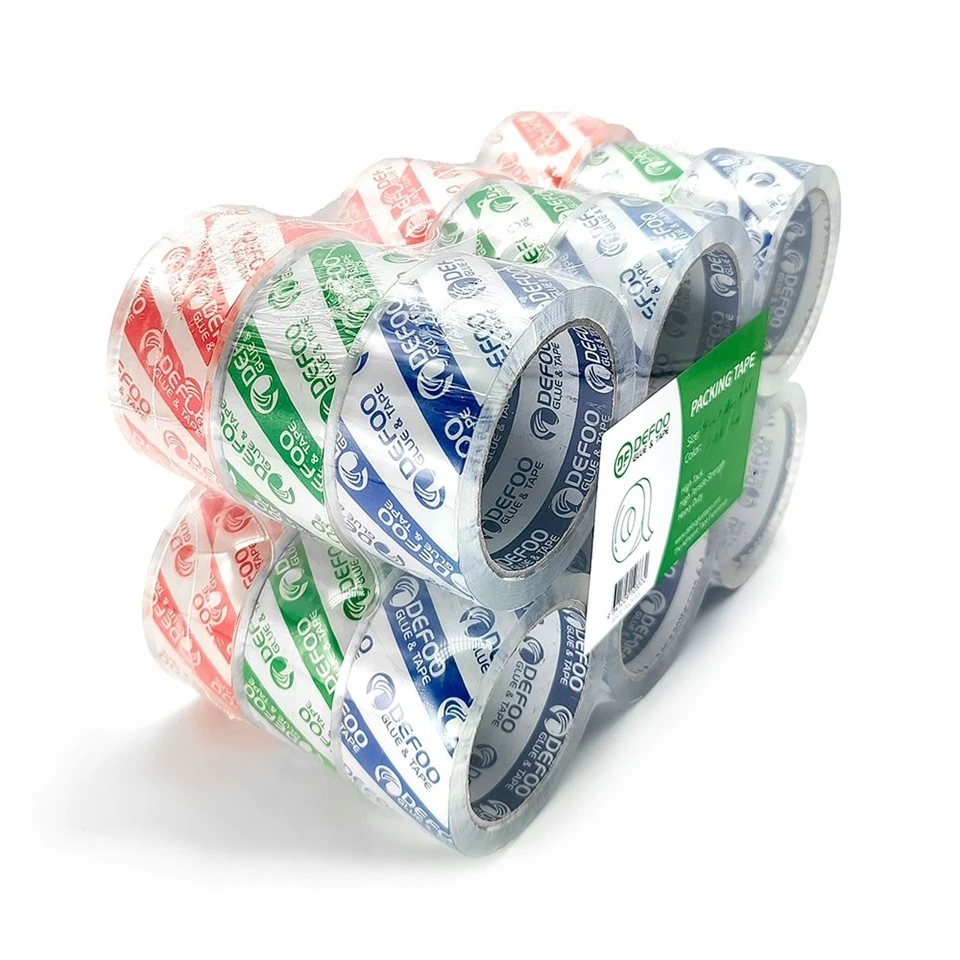
In the packaging industry, when dealing with rough cardboard boxes or wooden crates, hot melt adhesive tape can seal and secure the packages effectively. 30mic - 35mic The Thinnest BOPP Packing Tape and Super White Clear BOPP Packing Tape and Normal Clear BOPP Packing Tape from our product range are great examples of tapes that can be used in such scenarios.
Our Solutions
As a hot melt adhesive tape supplier, we've developed a range of products specifically designed to work on rough surfaces. Our tapes are formulated with high - flow adhesives that can penetrate deep into the pores and irregularities of the surface. They also have excellent cohesion, which ensures the bond remains strong over time.
We offer a variety of backing materials to suit different applications. For example, our fabric - backed hot melt adhesive tapes are more flexible and can conform better to uneven surfaces. Our plastic - backed tapes, on the other hand, provide better moisture resistance, which is important in some environments.
We also provide application guidance to our customers. We can help determine the optimal application temperature, pressure, and other parameters based on the specific rough surface and application requirements.
Tips for Using on Rough Surfaces
Here are some tips to ensure the best performance of hot melt adhesive tape on rough surfaces.
- Surface preparation: Clean the rough surface thoroughly to remove any dust, dirt, or grease. These contaminants can interfere with the bonding process. You can use a mild detergent or a solvent - based cleaner, depending on the surface material.
- Pre - heating: In some cases, pre - heating the rough surface can improve the adhesive flow. This allows the adhesive to penetrate deeper into the surface and form a stronger bond.
- Proper application pressure: Apply even pressure across the tape during application. This can be done using a roller or a similar tool. Even pressure helps to eliminate air bubbles and ensures a consistent bond.
- Choose the right tape: Select a tape with the appropriate adhesive formulation and backing material for your specific rough surface and application.
Conclusion
So, does hot melt adhesive tape work on rough surfaces? The answer is yes, but it depends on various factors. With the right adhesive formulation, proper surface preparation, and correct application techniques, hot melt adhesive tape can provide a reliable bond on rough surfaces.
As a trusted supplier of hot melt adhesive tapes, we are committed to providing high - quality products and excellent customer service. Whether you're in the construction, automotive, or packaging industry, we have the right tape for your rough - surface bonding needs. If you're interested in learning more about our products or have specific requirements, we encourage you to contact us for procurement discussions. We look forward to working with you to find the best adhesive solutions for your projects.
References
- Adhesive Handbook, 3rd Edition, Edited by Skeist, I.
- Principles of Adhesion and Adhesives Technology, by Kinloch, A. J.
- "The Effect of Surface Roughness on Adhesive Bonding", Journal of Adhesion Science and Technology, Vol. XX, No. X.